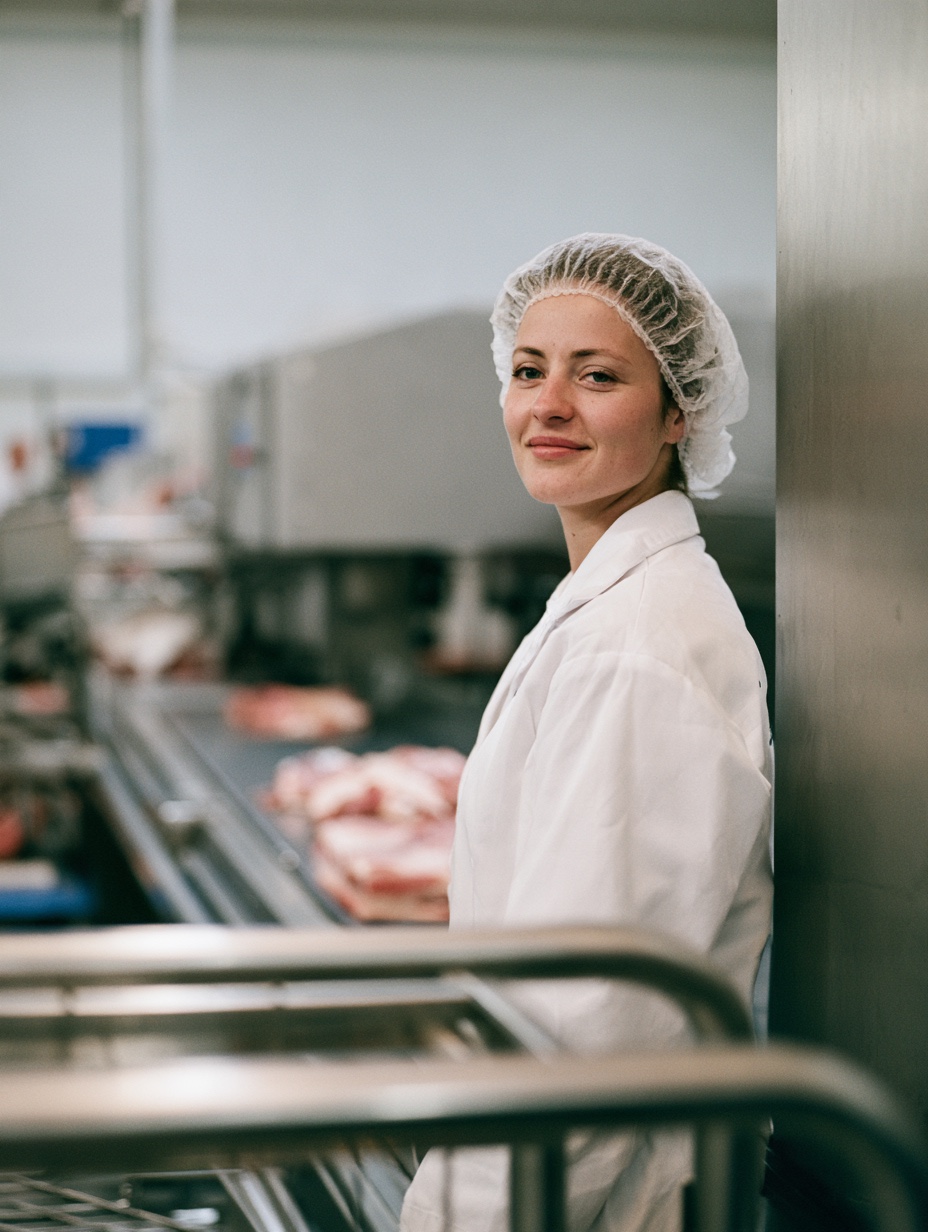
We run our own meat trading on these tools, every day.
Before we built tools for anyone else, we built them for ourselves. This is what changed on our own desk.
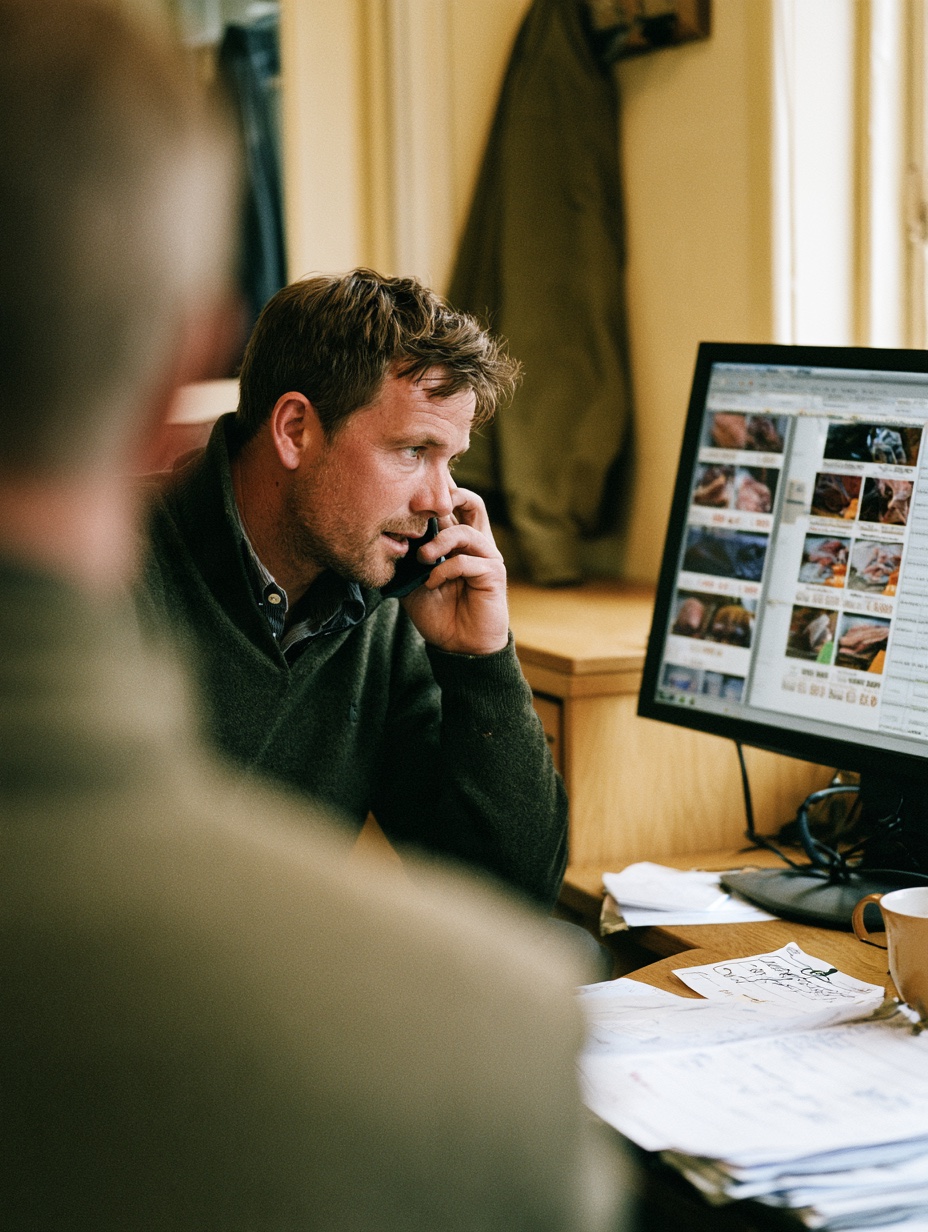
Every deal was typed four times.
Our traders sell pork and beef across Europe, mostly by email, WhatsApp and phone. Every deal then had to be typed again: into the ERP, into the truck booking, into the documents and into the invoice.
From the first email to the invoice took almost three hours of someone’s day. On a busy week the invoices went out late, and so did the money.
Nobody had designed it that way. It grew one deal at a time, as most trading desks do. A new buyer meant a new spreadsheet tab. A new carrier meant a new email thread. Each step made sense on its own; together they ate the morning.
The cost was not only time. When the same numbers are typed four times, they drift. A price in the order did not match the price on the invoice. A delivery week in the email was not the week on the truck booking. Someone always caught it, but catching it took another call.
Most of the time went on three steps.
We mapped the desk for a week with Portal: every step, who did it and how long it took. It showed 14 steps from order to invoice. Three of them took most of the time, and none of them needed anyone’s judgement.
- Reading the order and typing it in40 min
- Checking credit15 min
- Booking a truck45 min
- Filling in the documents35 min
- Writing the invoice20 min
- Nine smaller steps20 min
The steps we changed first
The surprise was how little of it was trading. The calls with buyers, the decisions about price and timing, the moments that needed experience: together they were well under an hour. The rest was moving the same facts from one place to another.
That gave us the order to work in. Not the most interesting problem first, but the one that gave the most hours back.
Three changes, in the order of hours saved.
We changed one step at a time, and only moved on when the team trusted the last one. Each change was live within days, inside the systems the desk already used.
- Orders from email and WhatsApp are read and typed in for us. A trader checks them with one click.BOSS
- A deal said on a call is saved ten seconds later, with the price, the trucks and the follow-ups.Margin AI
- Trucks are booked from ranked quotes, and the invoice goes out when the CMR is signed.BOSS
The first two weeks were mostly about trust. Traders checked every order the AI typed in. By the third week they checked the ones it flagged as unsure, and let the rest through with a glance.
Nothing about the trading changed. The same people still set the prices and chose the buyers. They just stopped being typists between calls.
Half the time, and the hours went to buyers.
The same team now handles more trades without longer days. The hours they got back went into calls with buyers.
- Order to invoice
2 h 551 h 30- Hours saved a month
- 312 h
- Desk automated
- 62%
The hours did not disappear into a report. They went back to the desk: more calls with buyers, faster answers on price, and fewer evenings spent chasing paperwork.
It also became the way we work with everyone else. Every tool on this site ran on our own desk first.